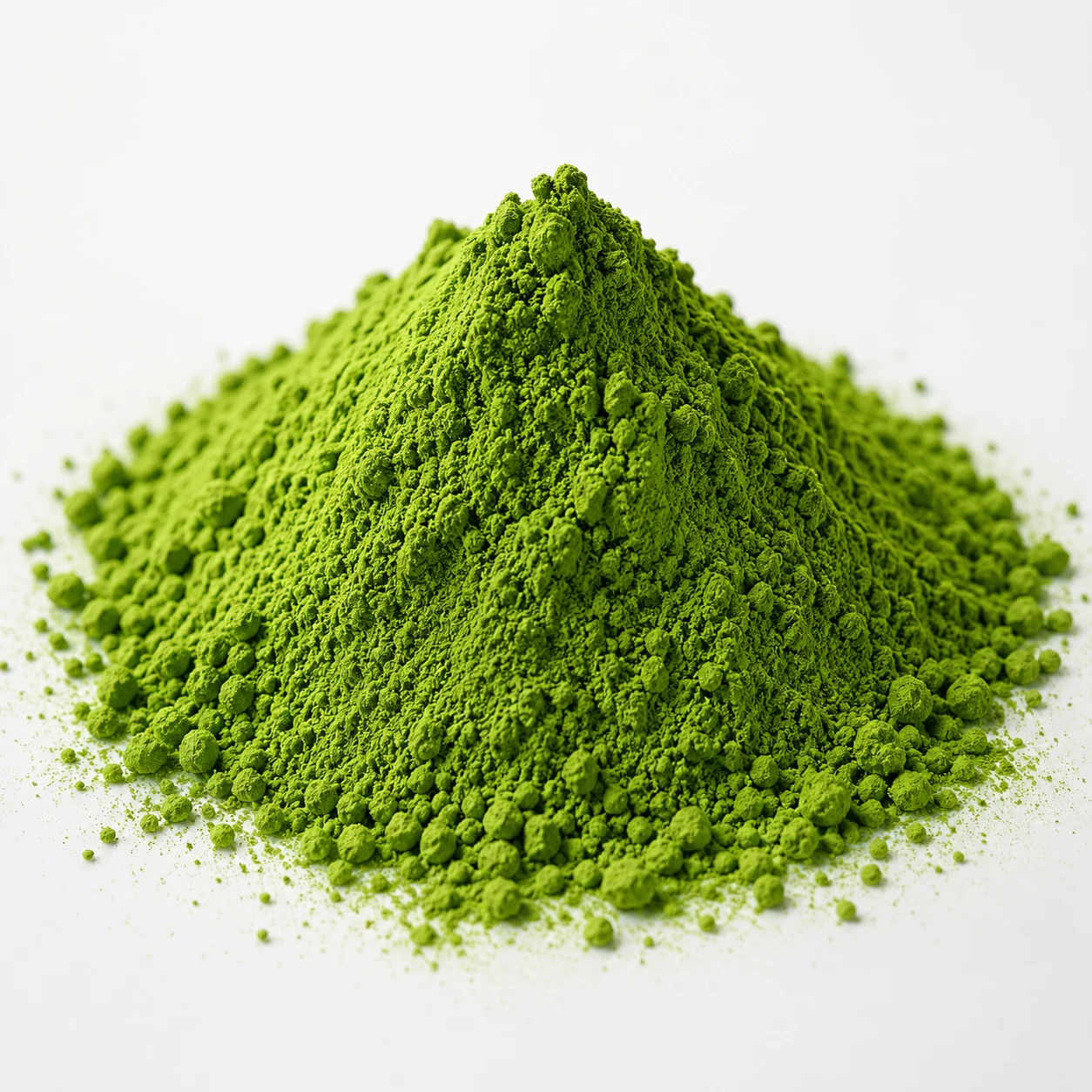
Soft and refined
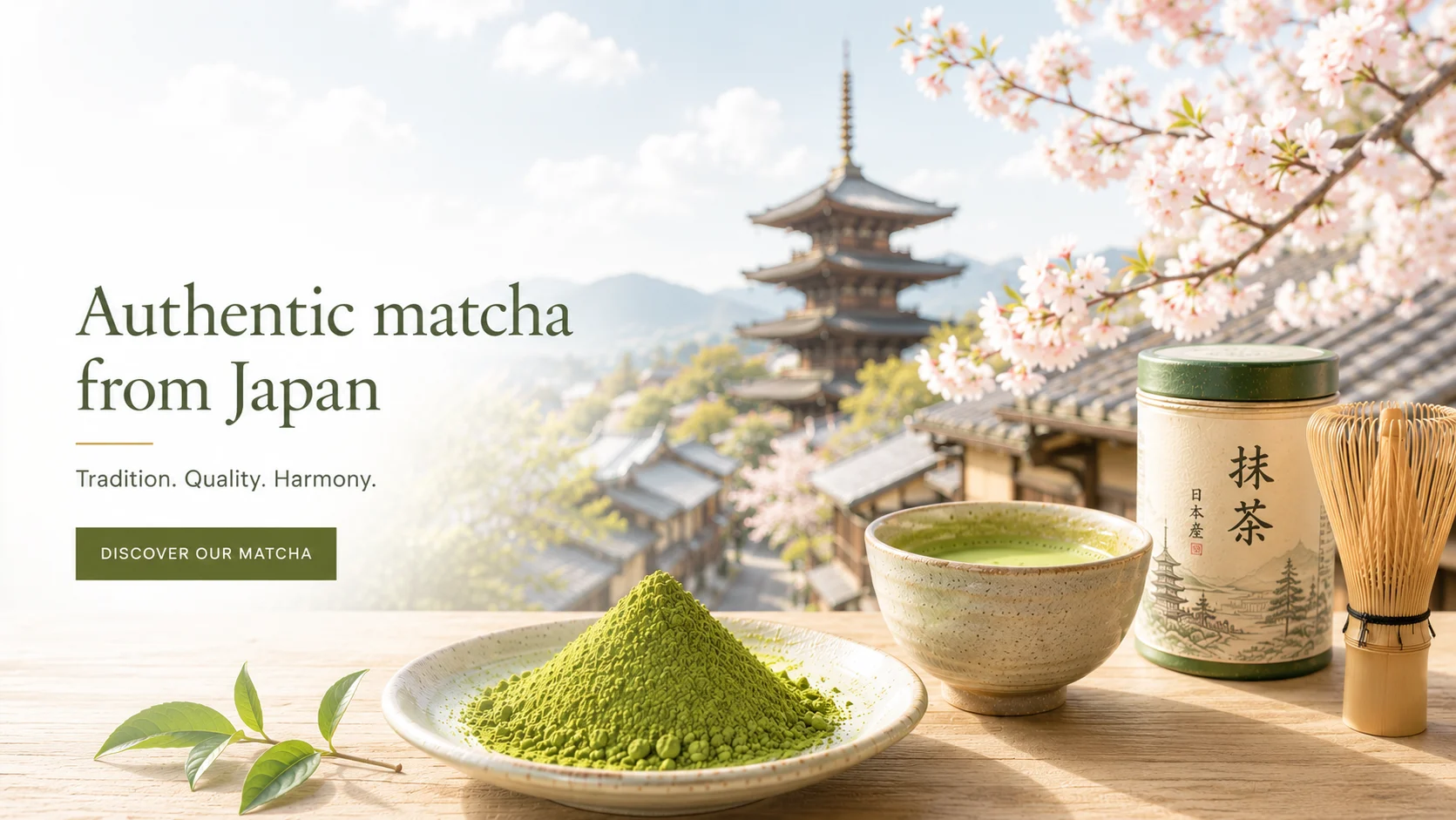
Authentic matcha from Japan
Tradition, quality and harmony in a calm Japanese matcha experience.
Buy Japanese matcha
Not every matcha is the same. Some types are perfect with hot water only, while others come into their own in a latte, smoothie, dessert or baking recipe.
Discover easily which Japanese matcha best matches your taste and use. From traditional ceremonial matcha to versatile culinary matcha: we help you make the right choice.
Choose ceremonial matcha when you want to prepare matcha with hot water only. You get a soft taste, natural umami and a refined finish.
View matcha for hot waterChoose a matcha that mixes well with milk and keeps its flavor. View our matchas for lattes and other creamy preparations.
Compare latte matchaFor baking, desserts, smoothies and ice cream, culinary matcha is usually the best choice. This type is made for recipes and warm or cold preparations.
Go to culinary matchaMatcha finder
Answer three short questions. We will show the matcha in our range that best fits how you want to drink or use it.
EU Matcha product line
Choose by taste and use: soft matcha for hot water preparation, creamy Matcha Latte, fresh Iced Matcha or matcha for baking and desserts.
Soft and refined
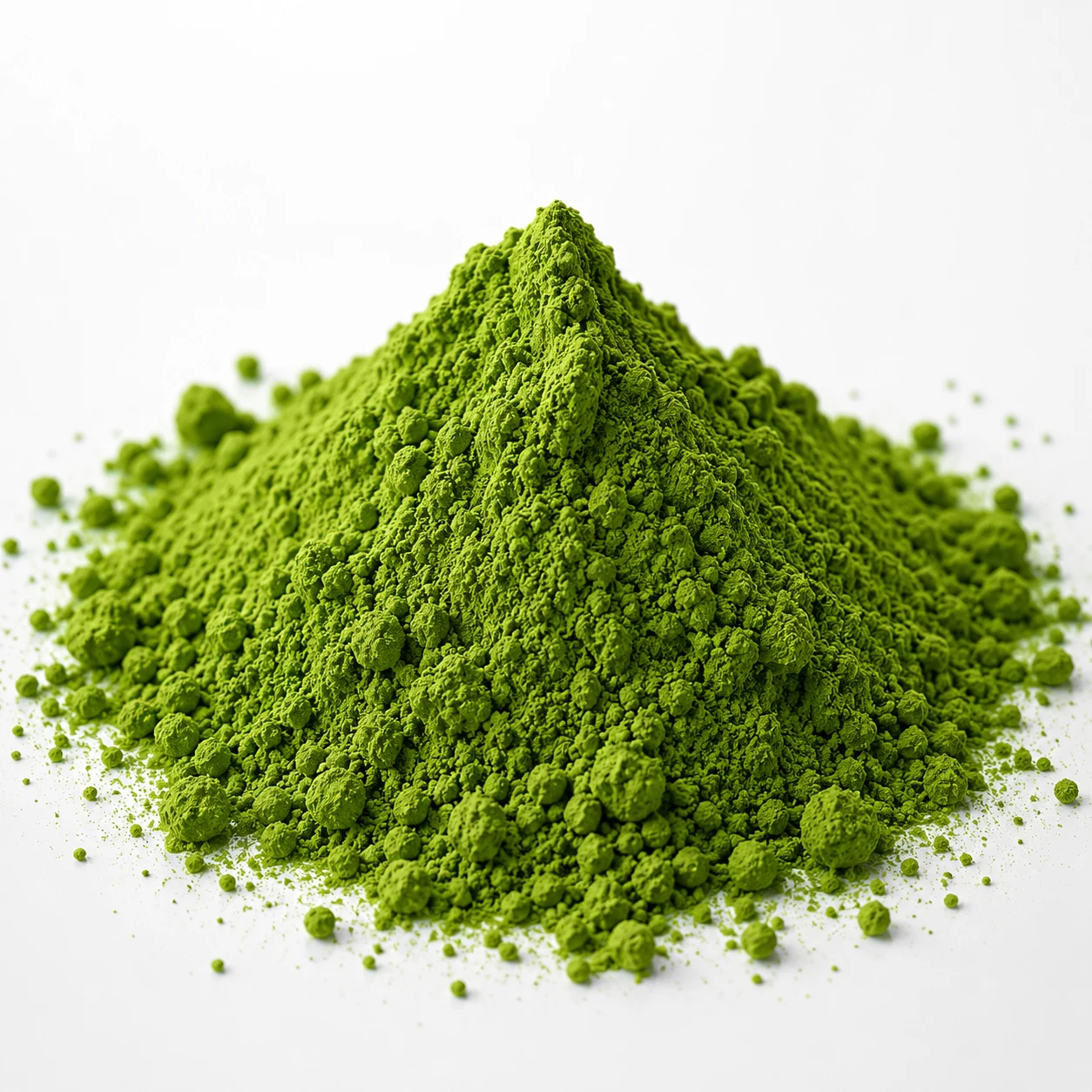
Round and umami-rich
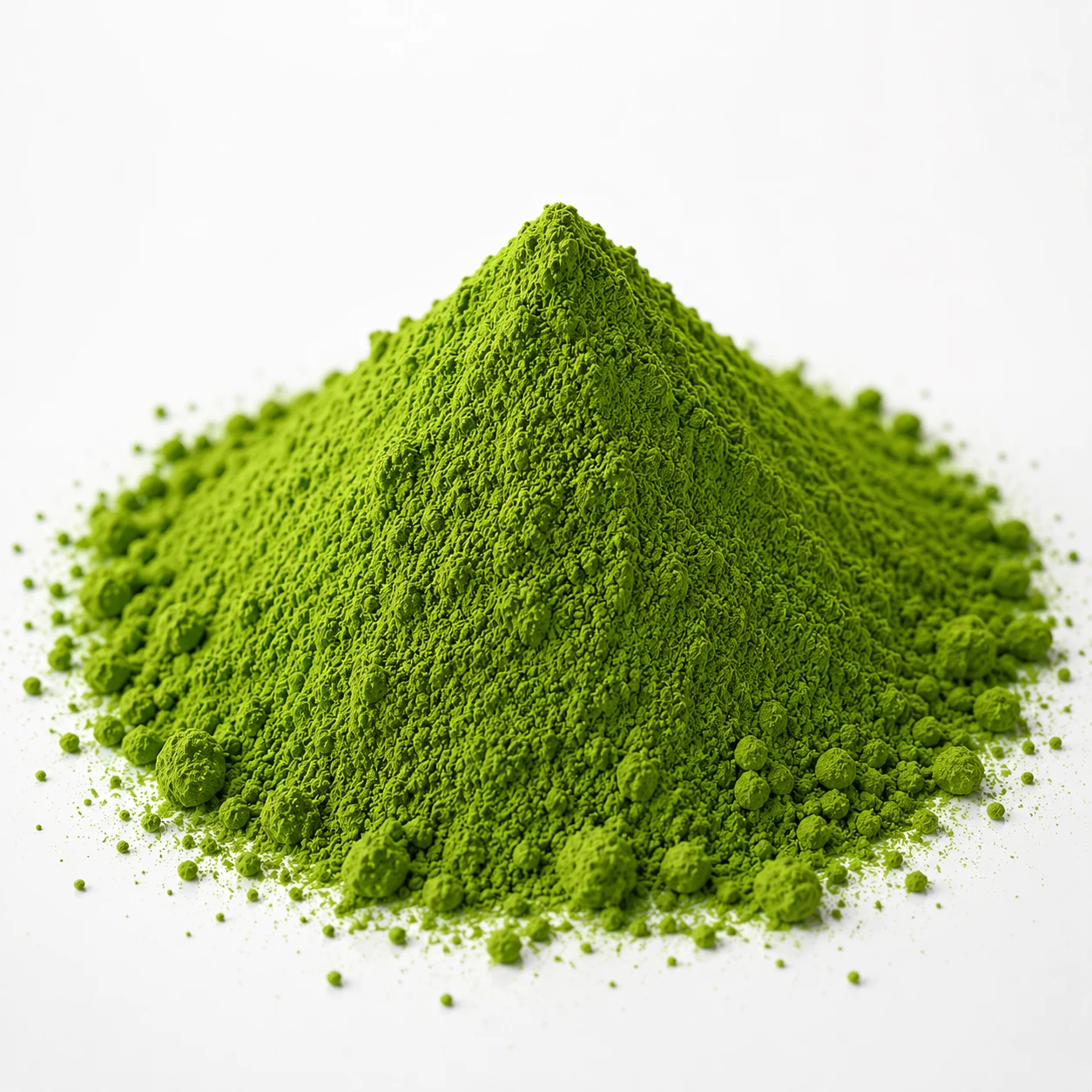
Elegant and accessible
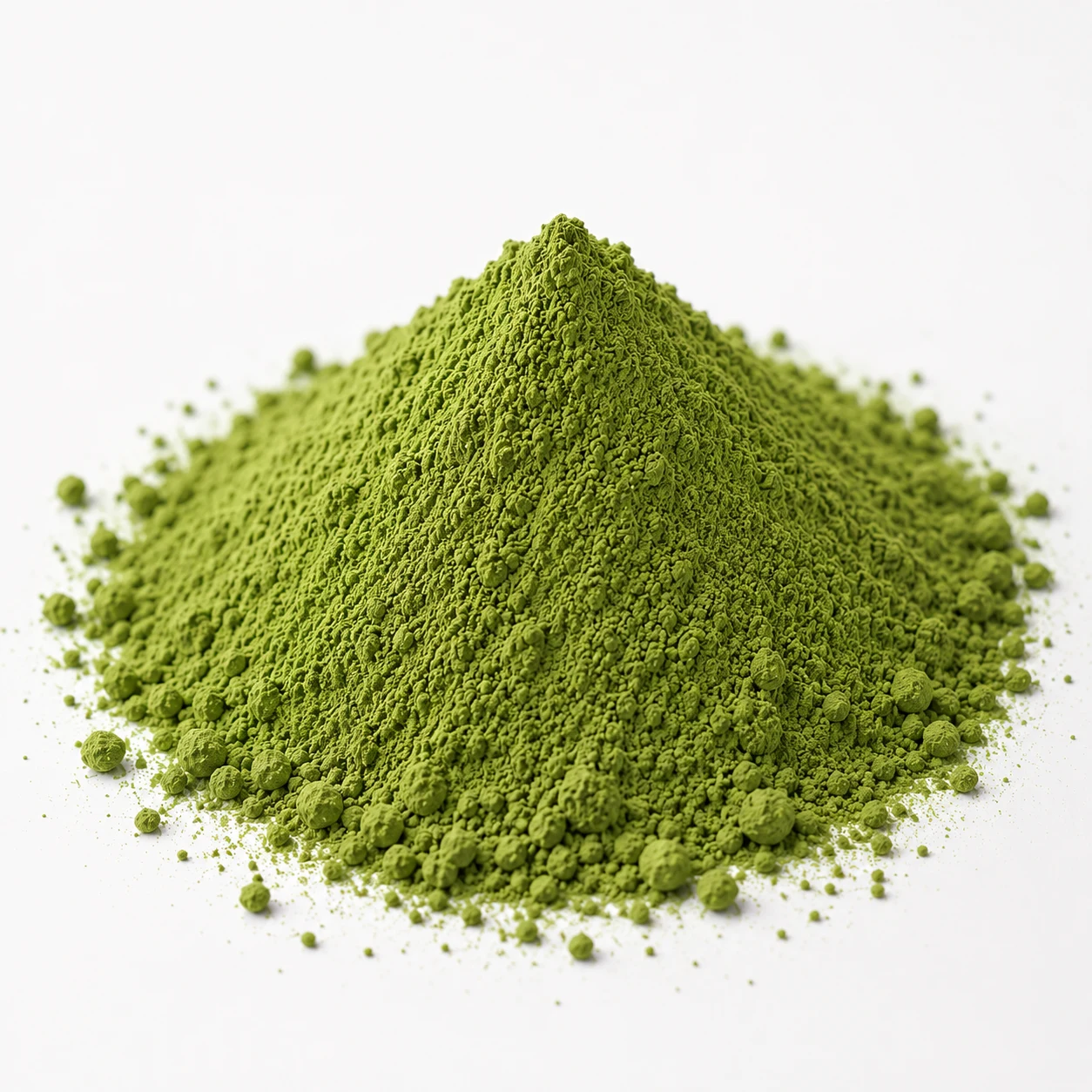
Balanced
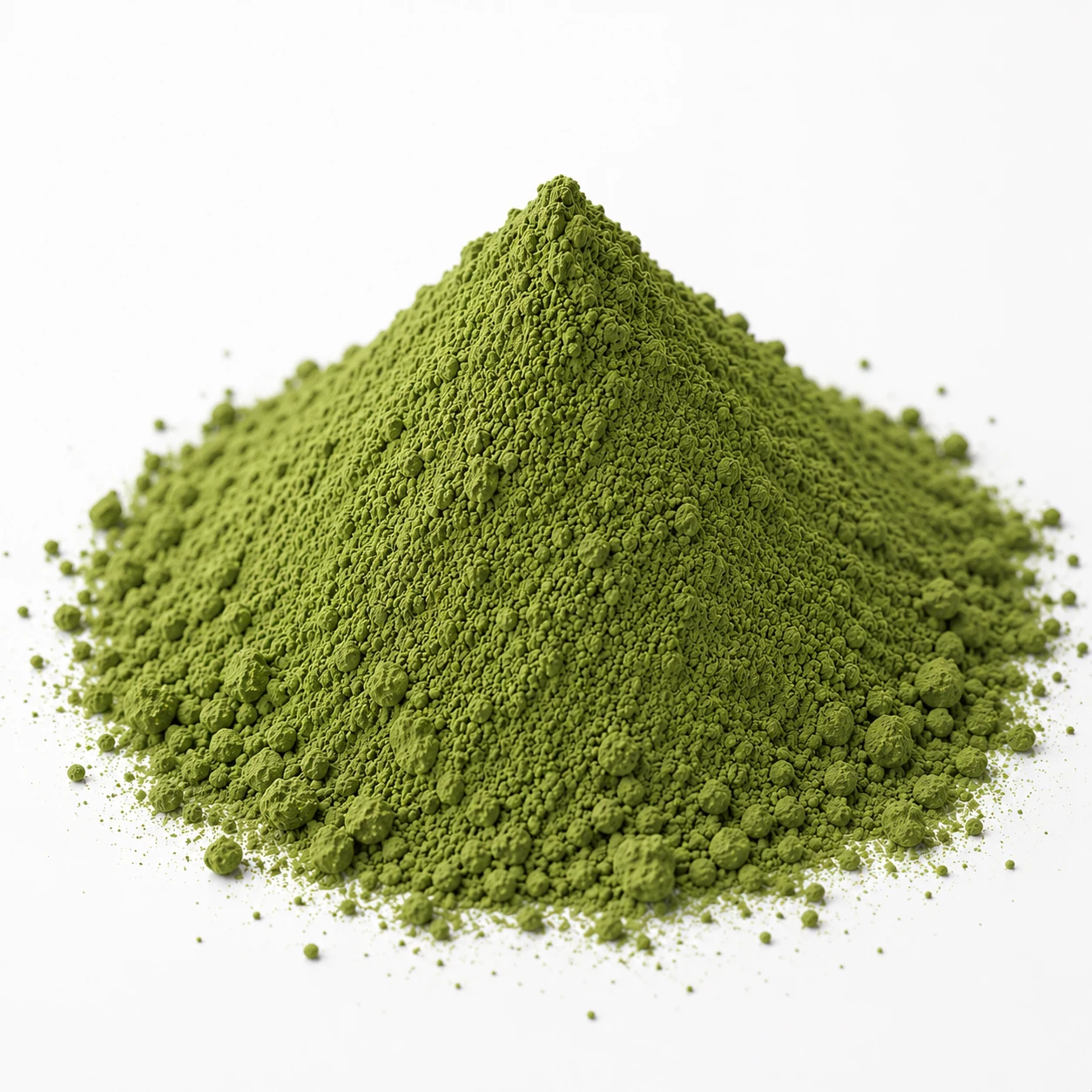
Creamy and accessible
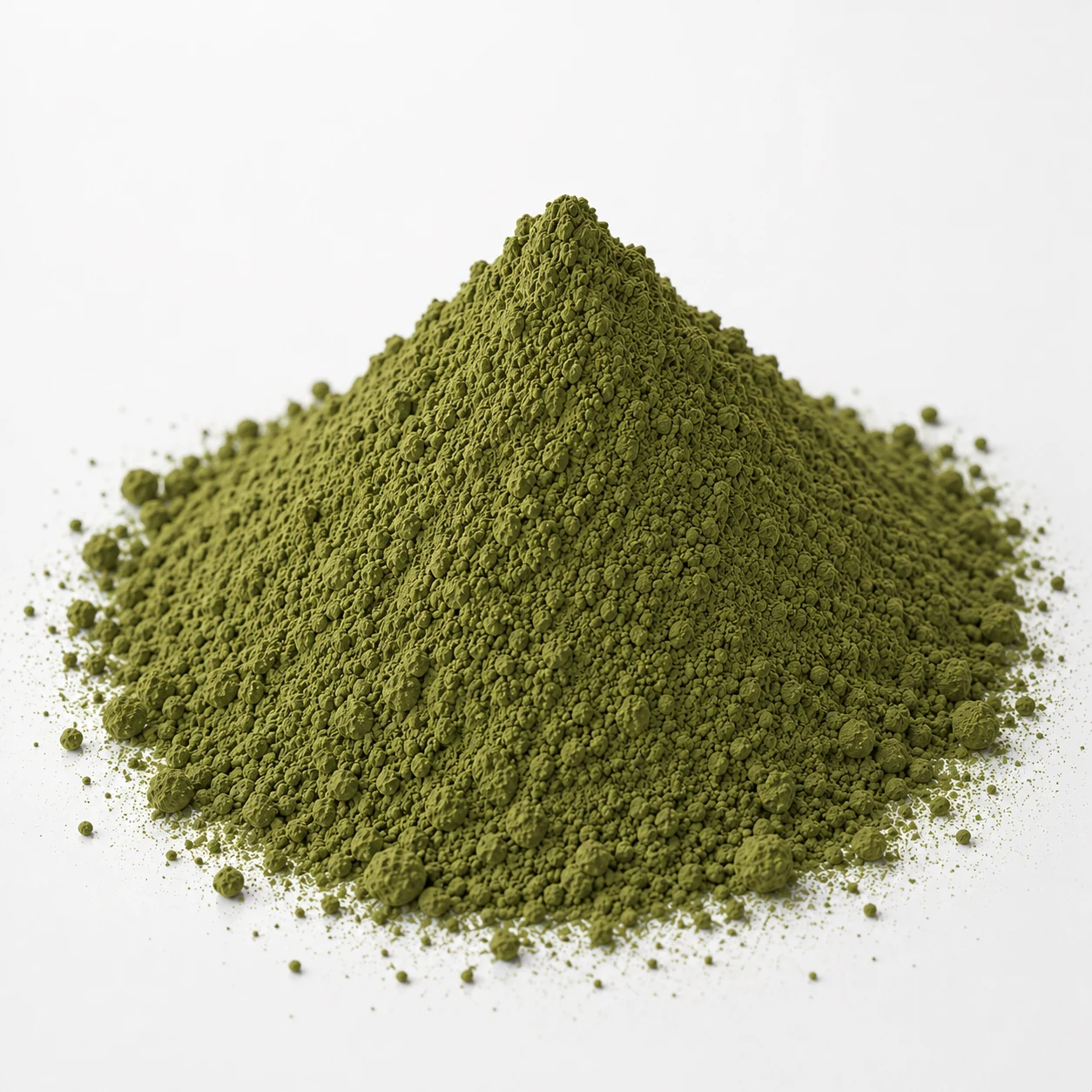
Clear matcha taste
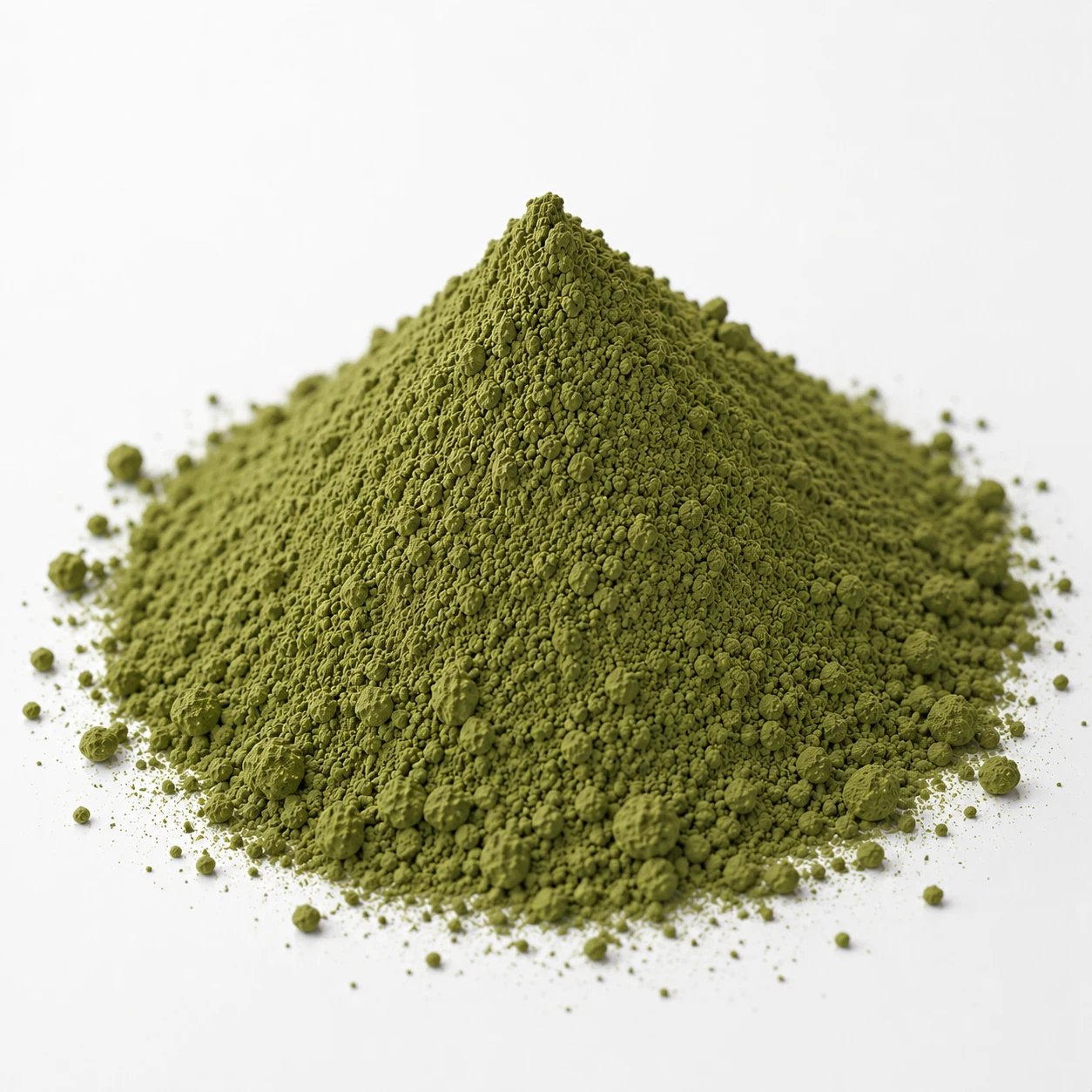
For patisserie
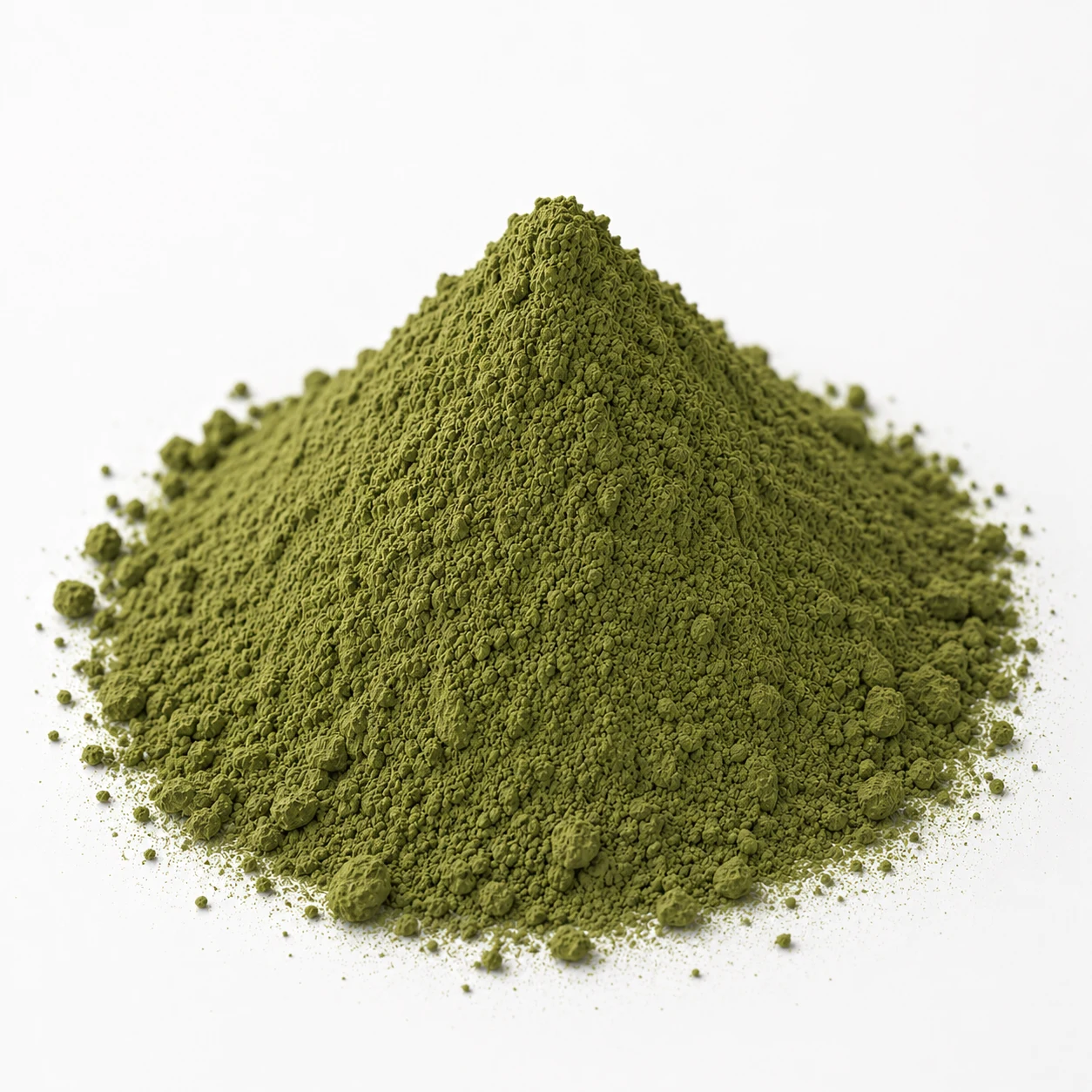
For baking
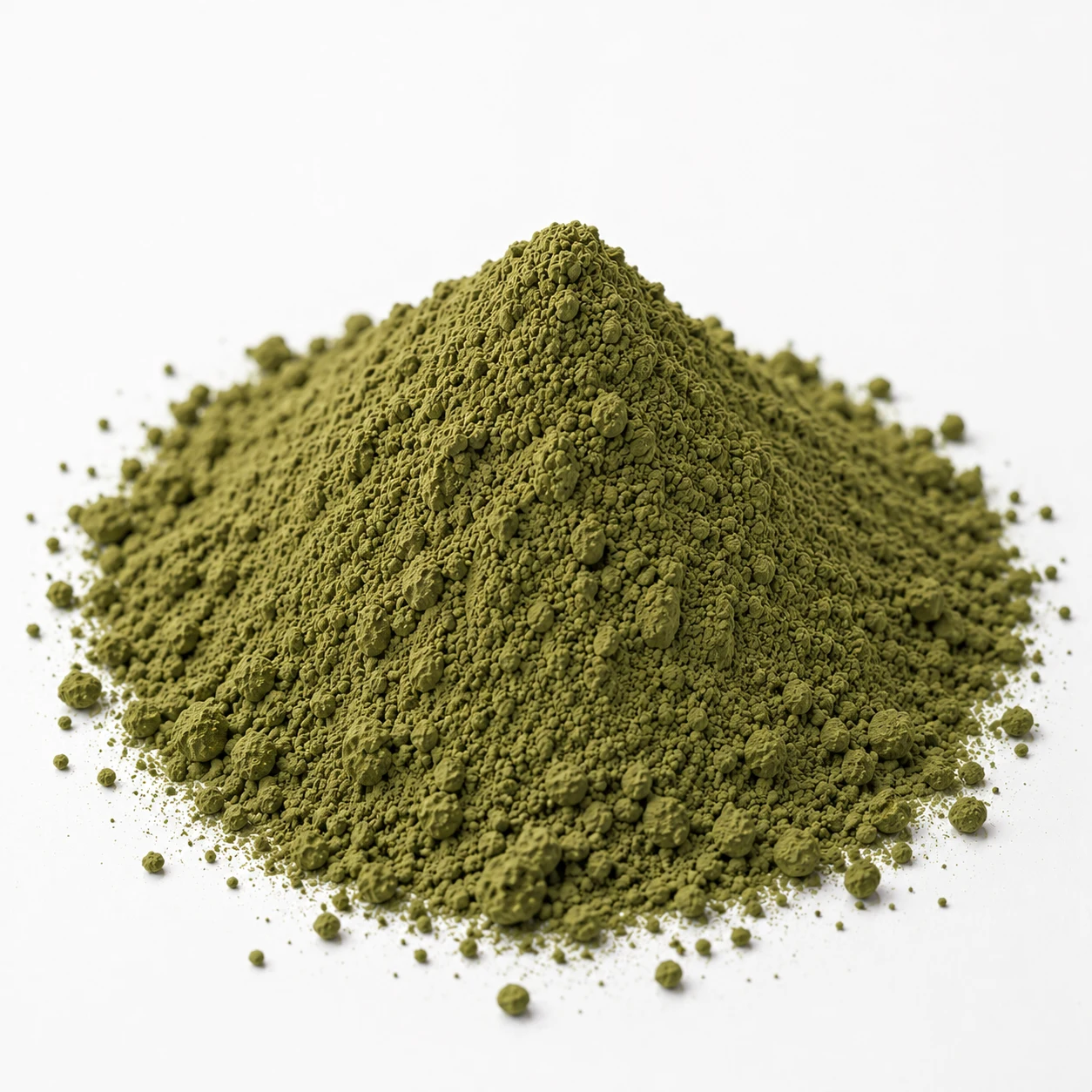
Functional
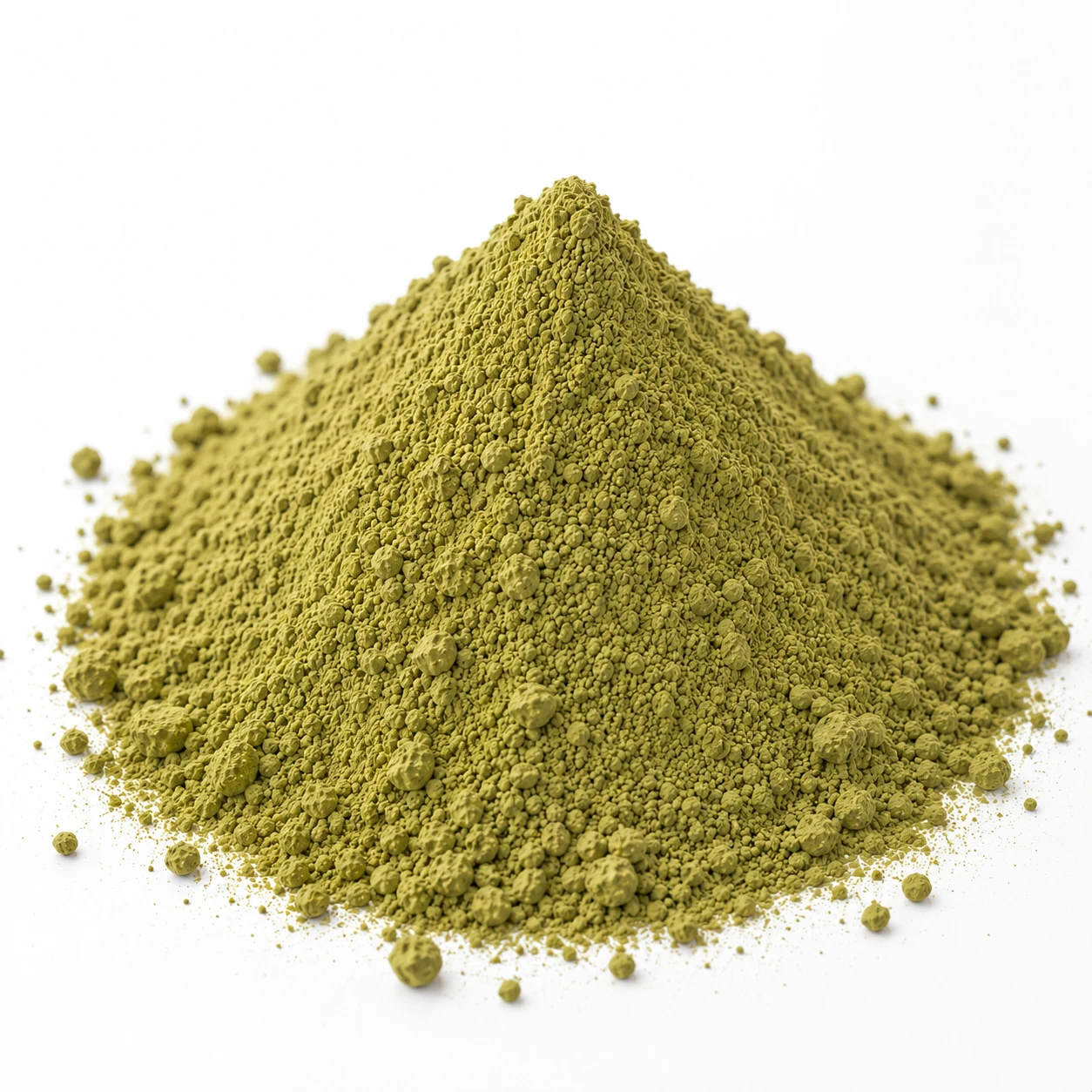
With origin story
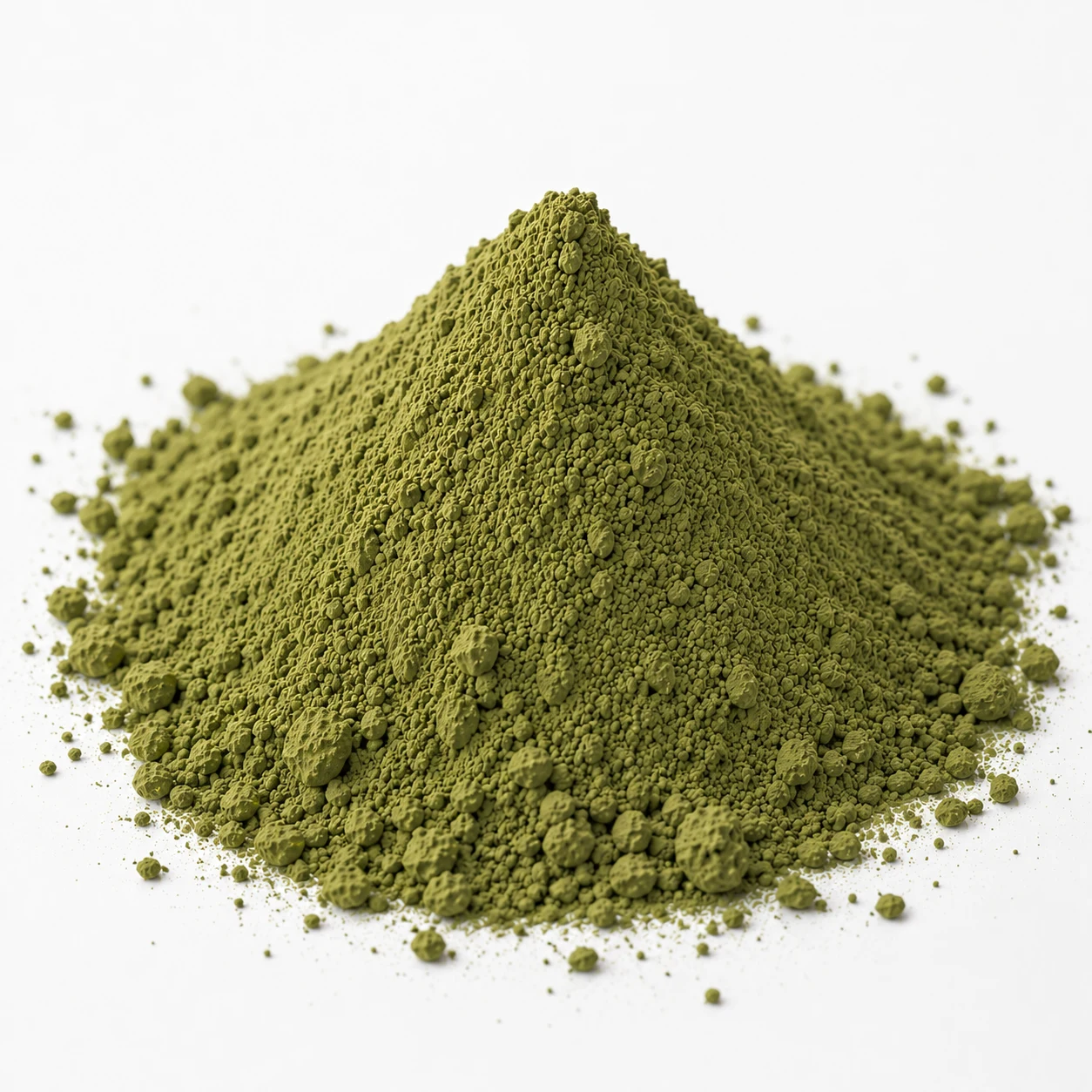
Aromatic
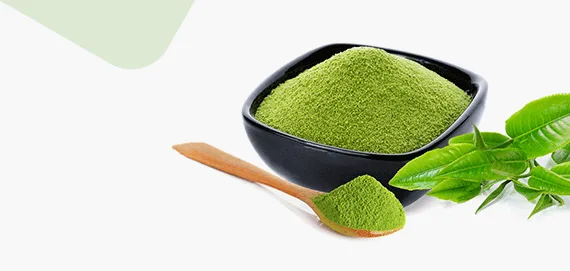
For baking, desserts and creamy drinks
What helps you choose?
Many people search for the best matcha, but for home use the preparation matters most. If you drink matcha with hot water only, a soft Japanese matcha with clear umami and a calm finish usually works best. Prepare it with hot water and preferably with a chasen: a traditional bamboo whisk with fine tines that helps mix the matcha powder evenly and create a light foam. For Matcha Latte, the flavor may be a little stronger because milk or plant-based milk makes the tea softer and creamier. If you use matcha in cake, cookies, smoothies, ice cream or desserts, focus on color, dosage and how well the matcha holds up next to sweetness, fat and creaminess.
When choosing, look at aroma, umami, bitterness and color. This helps you compare matcha by taste experience instead of name alone. The final taste also depends on your preparation and the specific batch.
For matcha with hot water, use hot water, not boiling water. This helps prevent unnecessary bitterness and lets you taste more softness.
Matcha is sensitive to light, air, heat and moisture. Keep the powder tightly closed, cool and dry to keep aroma, color and taste good for longer.
Read the matcha guide for an explanation of quality, preparation, origin and the difference between matcha for drinking and matcha for recipes.
Read the matcha guideGood Japanese matcha is not chosen by a beautiful green color alone. Taste, preparation, origin and how you store the powder determine which matcha fits the way you drink or use it.
EU MatchaAuthentic Japanese matcha
About EU Matcha
EU Matcha is a Dutch initiative for authentic Japanese matcha. We are building a place where you choose matcha by what you actually want to taste and make: flavor, preparation, quality and clear origin information. With respect for Japanese tea culture, we help you find the right matcha for hot water preparation, Matcha Latte, Iced Matcha and recipes.
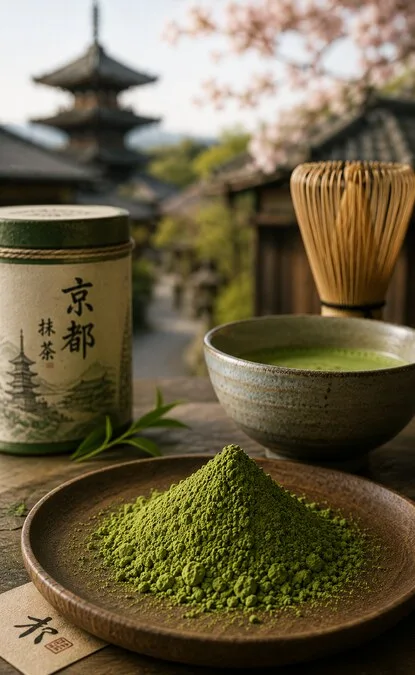
Japanese matcha in Europe
Choose your matcha based on how you want to use it: with hot water only, as a creamy Matcha Latte, as fresh Iced Matcha or in your favorite recipes.
Contact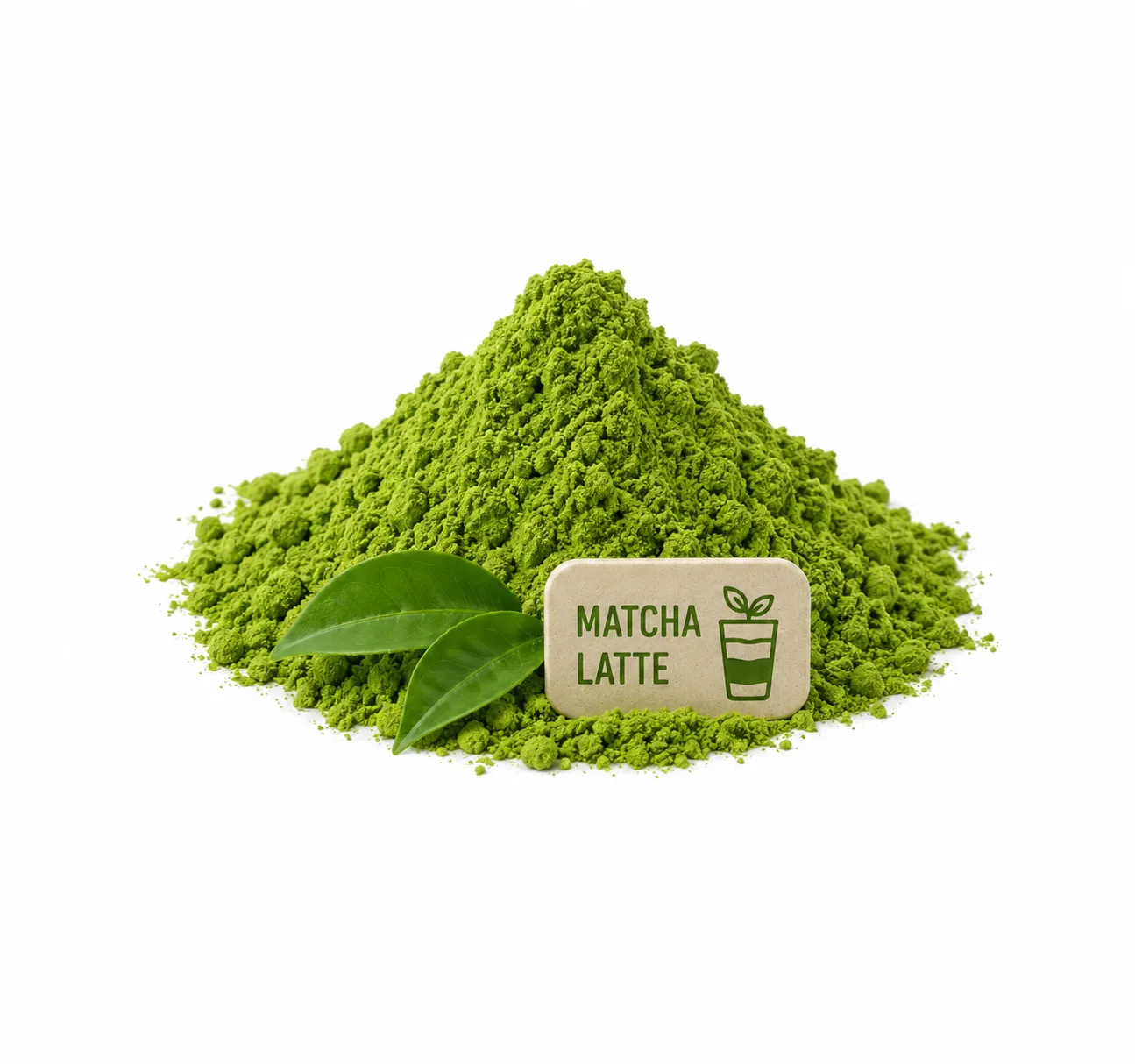
Soft matcha for warm latte, Iced Matcha and plant-based milk.
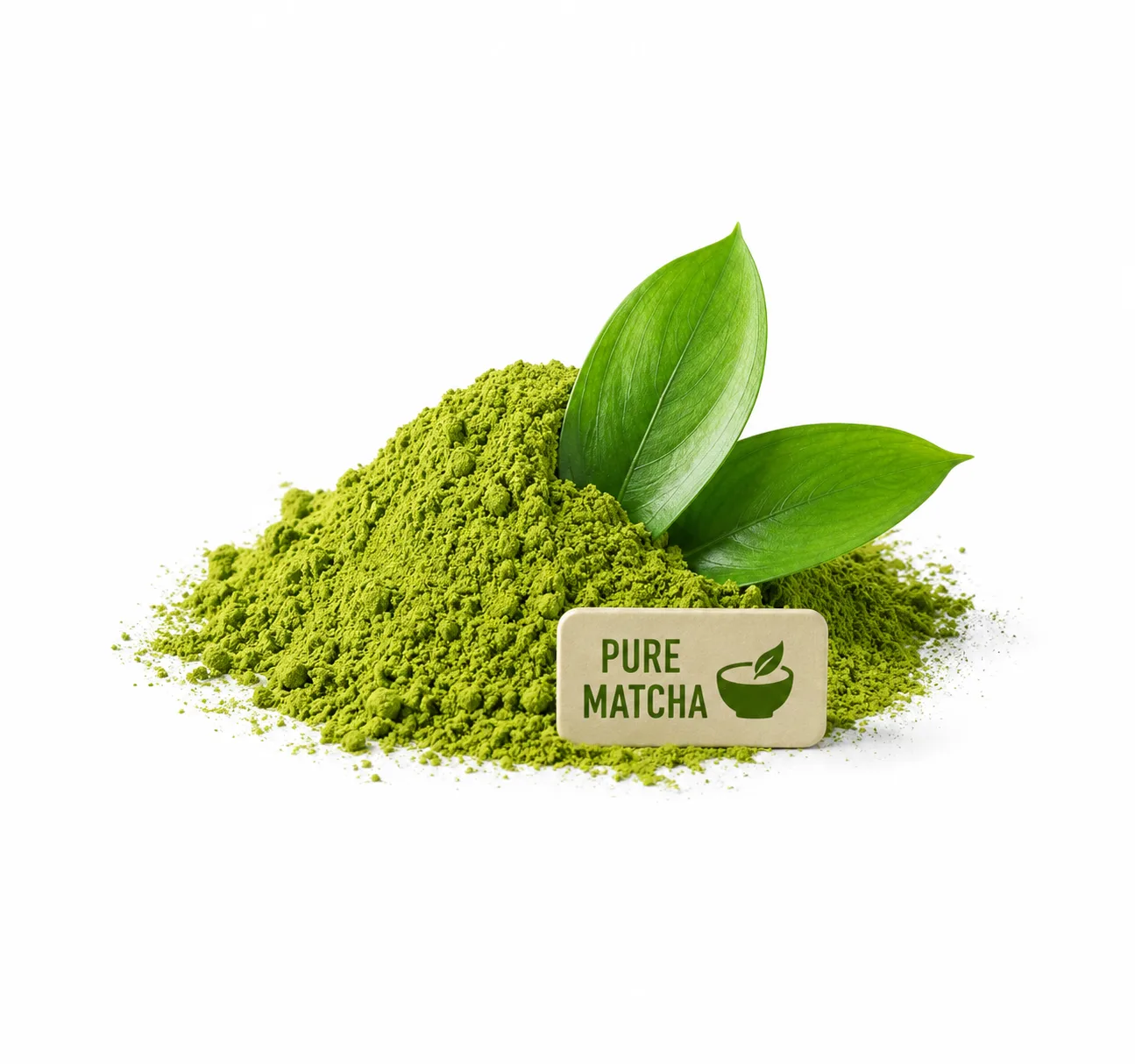
Refined matcha to drink with hot water only.
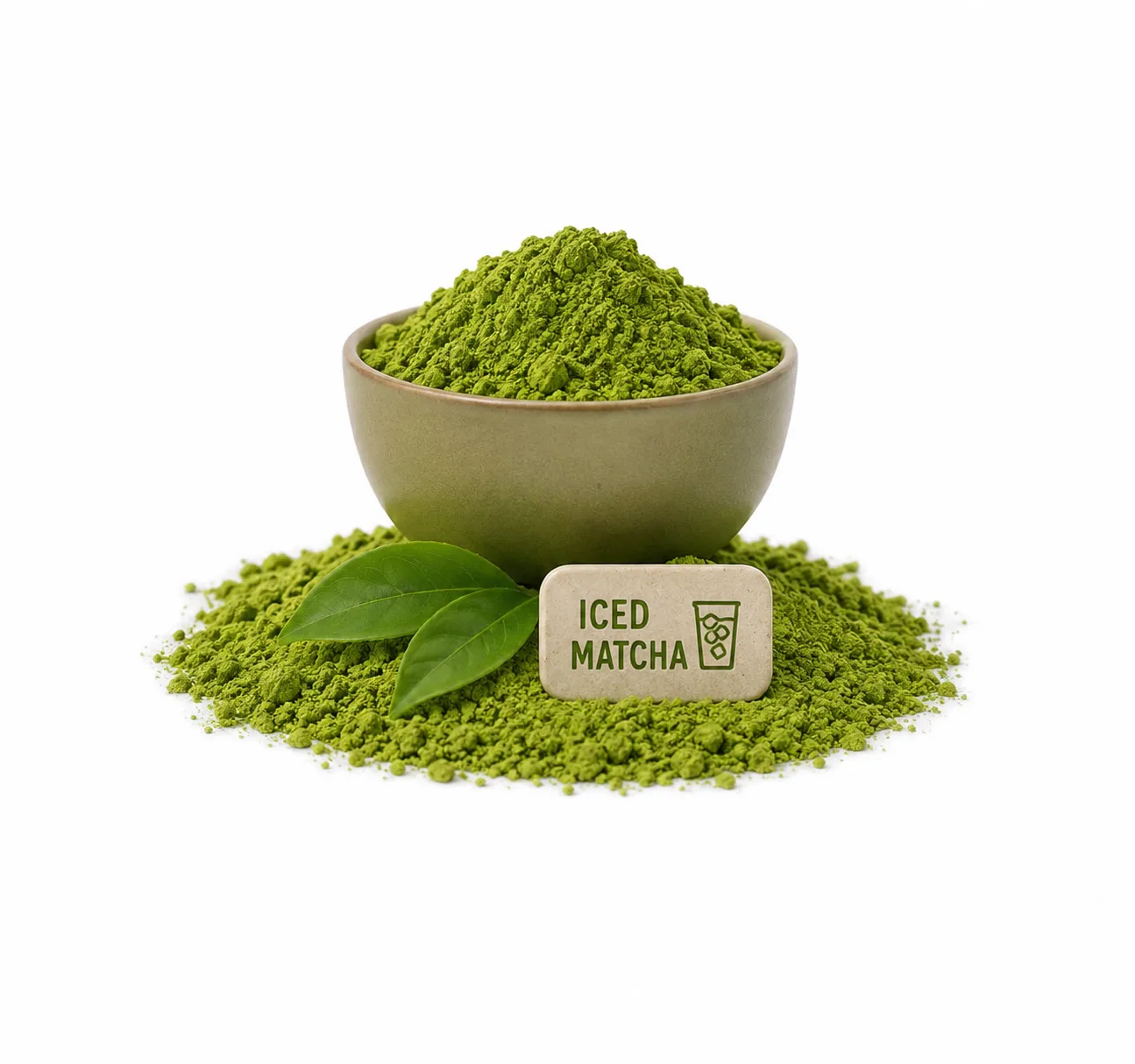
Fresh matcha for cold drinks with milk, ice or citrus notes.
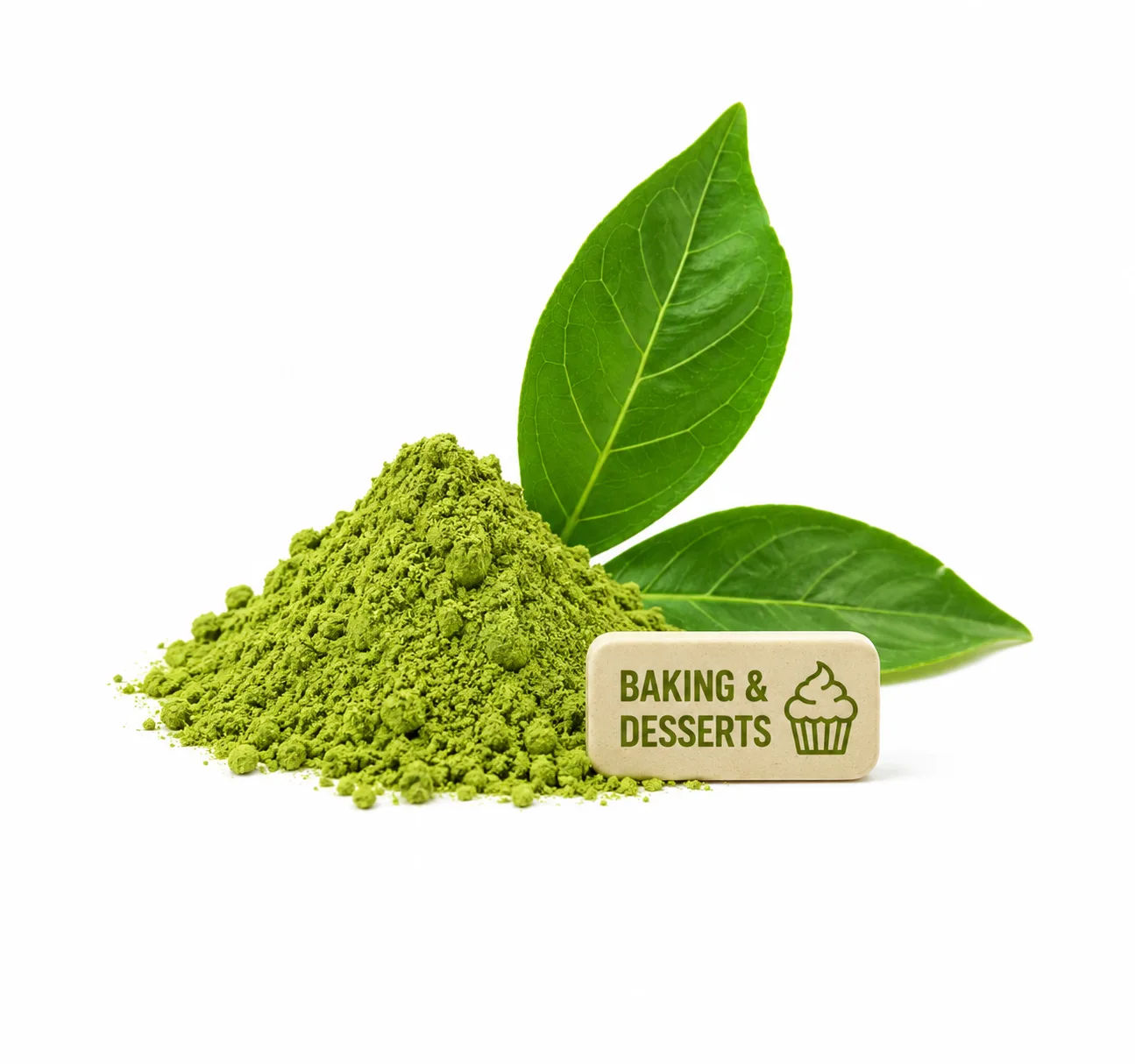
Culinary matcha for cake, cookies, ice cream and creamy desserts.
Explore further
A short explanation of what matcha is, how it differs from regular green tea and why grinding, shading and preparation have so much influence.
Discover how Japanese tea regions can influence taste and character. Origin helps you choose, but preparation, quality and freshness remain just as important.
Find inspiration for matcha recipes for latte, desserts, smoothies and baking. We explain which matcha works best for each preparation.
Frequently asked questions
If you want to drink matcha with hot water only, start with a soft matcha from the ceremonial category. If you mainly make latte, a latte matcha is often more accessible and practical.
View the choice guideBitterness can come from the matcha itself, but also from water that is too hot, too much powder or not enough whisking. Use hot water that is no longer boiling and start with a gentle dose.
Read about preparationYou can, but it is not always logical. A refined drinking matcha can partly disappear in milk or batter. Separate categories are often better matched to latte and recipes.
View recipe matchaStore matcha tightly closed, dry, dark and cool. Close the packaging immediately after use so air and moisture have as little effect as possible on color and aroma.
Read about storage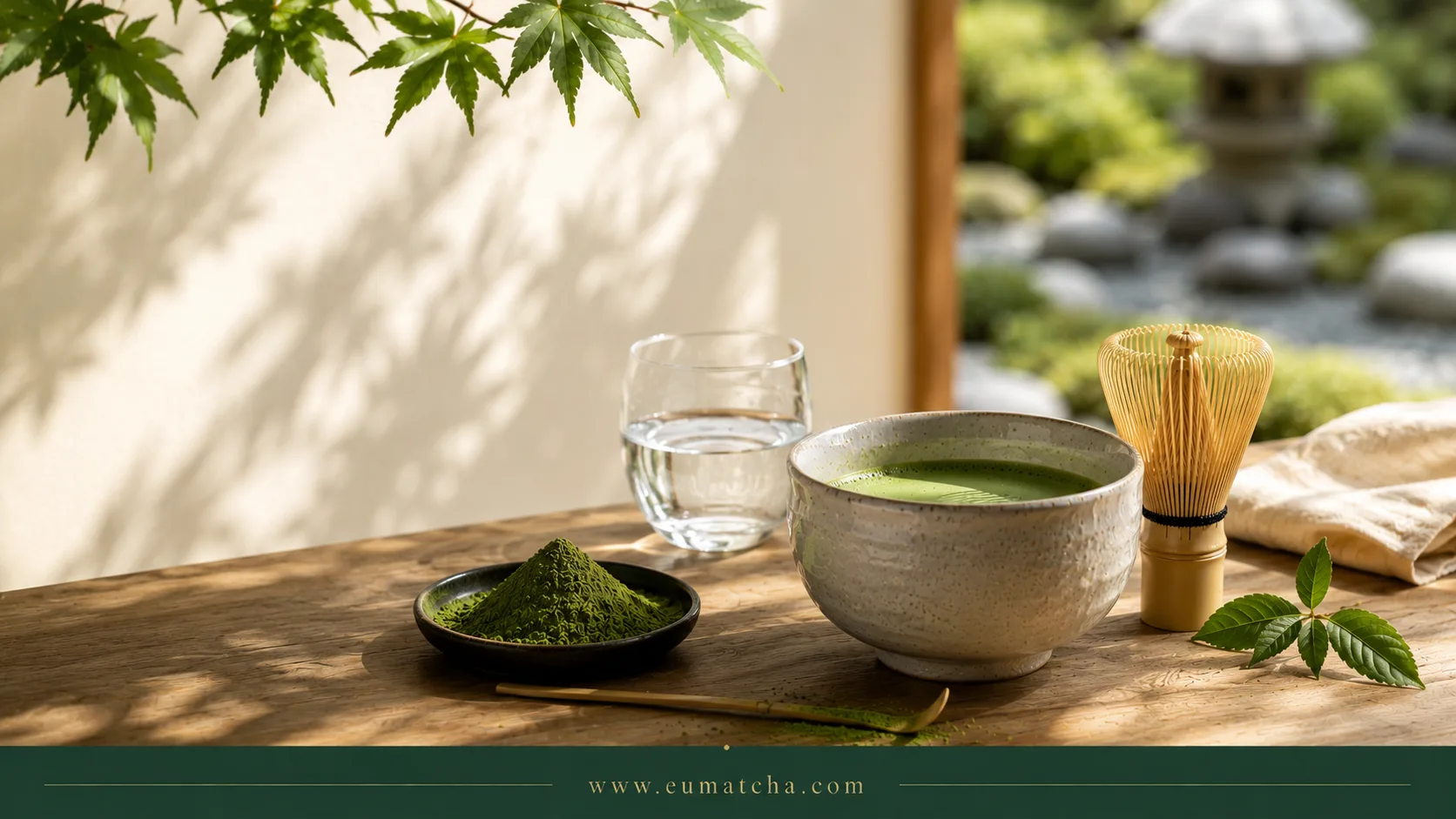
15 June 2026
Matcha contains catechins, L-theanine and caffeine. Learn what that means, which expectations are realistic and how to use matcha consciously.
Read more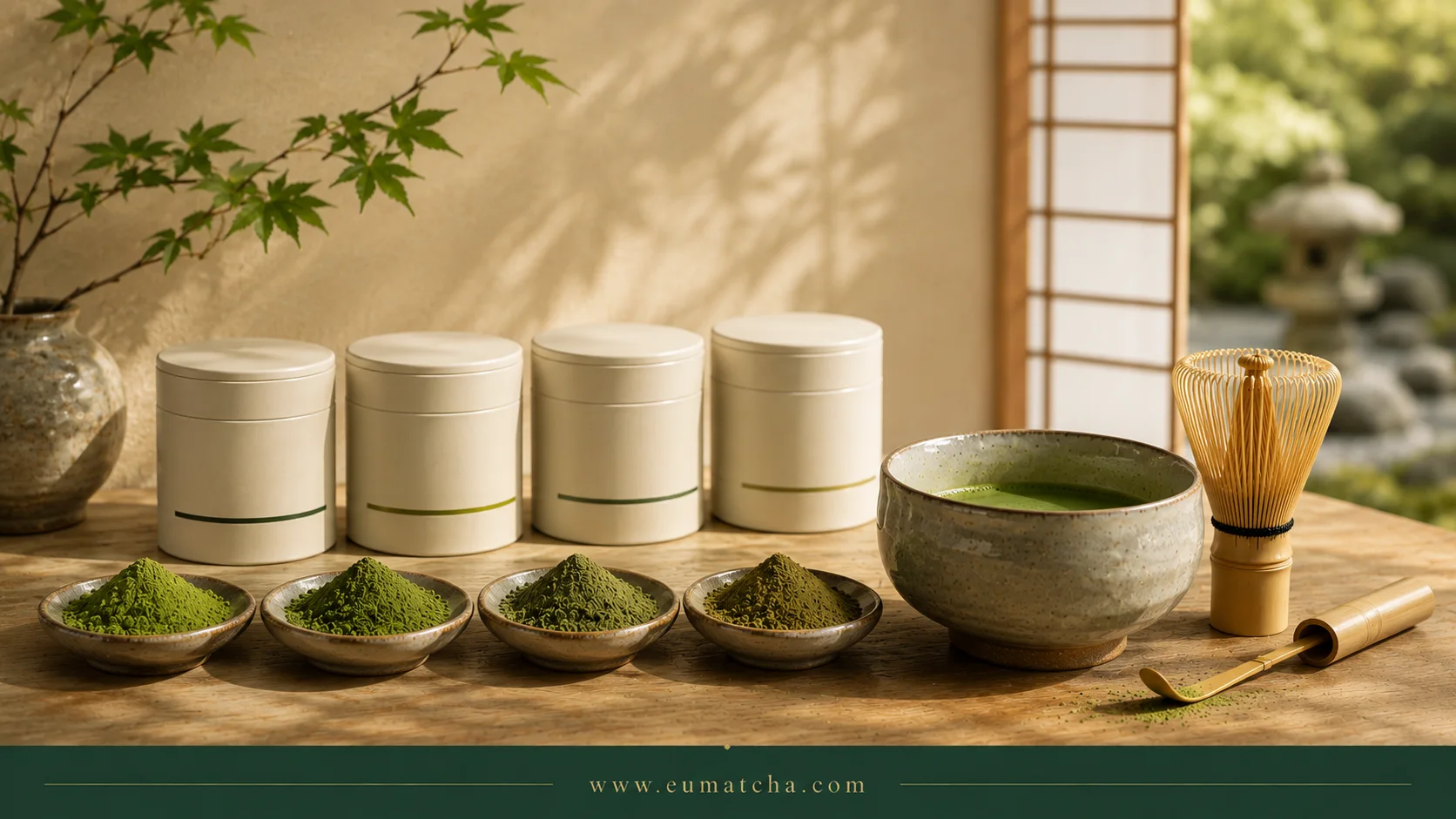
15 June 2026
Why is one matcha more expensive than another? Learn how colour, aroma, grind, taste and use help you choose the right matcha.
Read more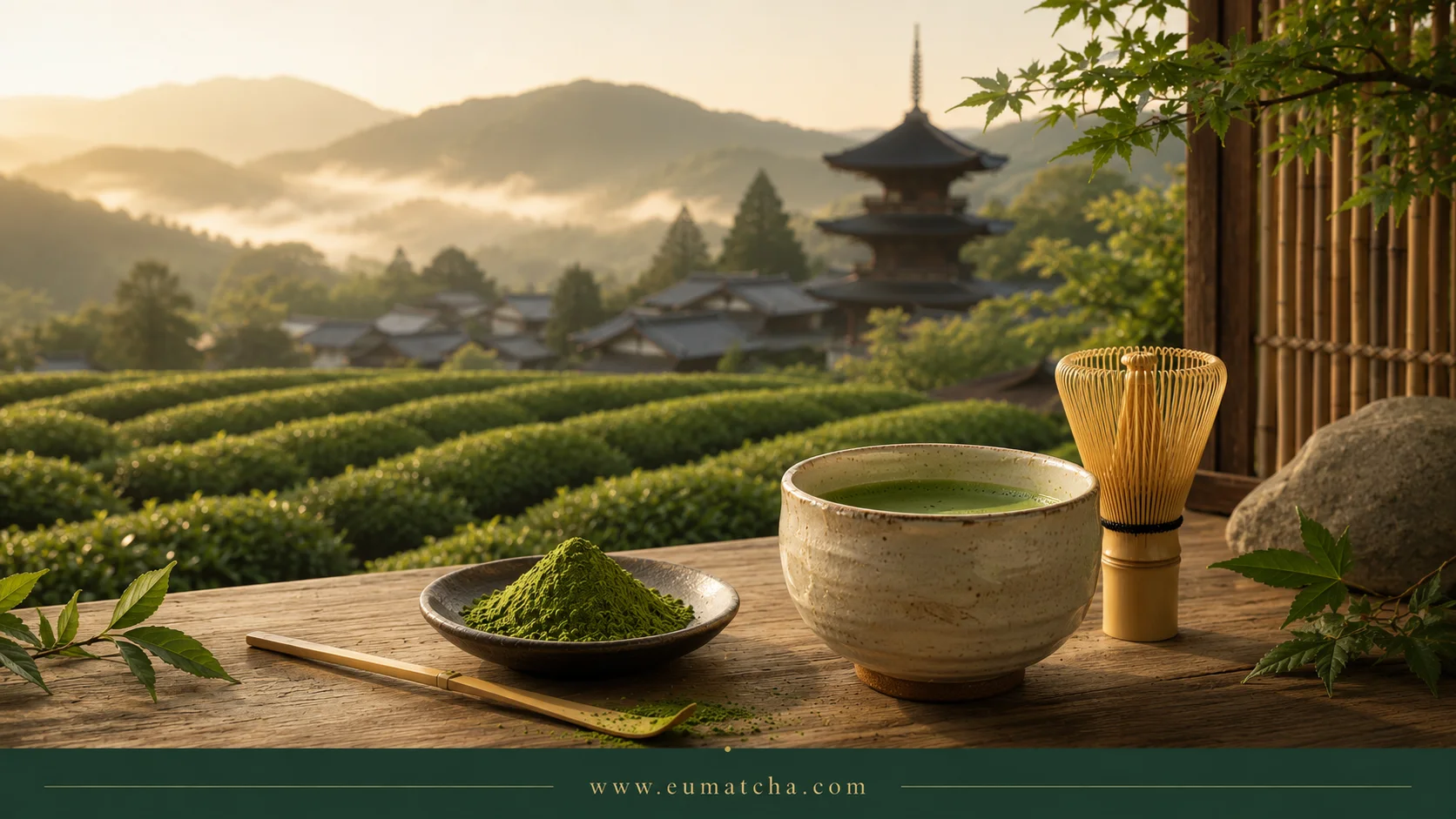
14 June 2026
Matcha feels closely linked to Japan today, but its roots begin with Chinese powdered tea. Learn how Japan refined matcha into the tea we know now.
Read more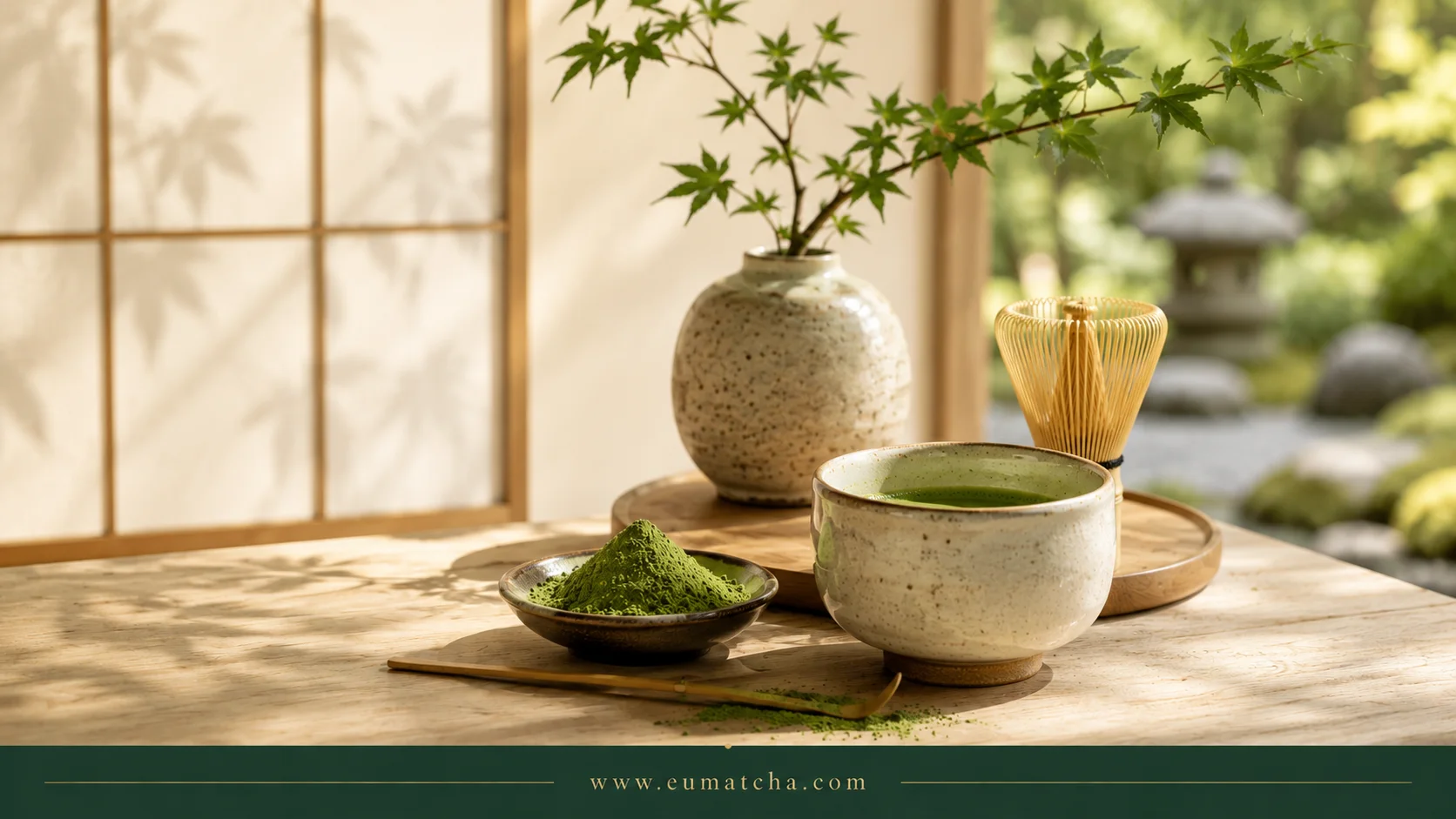
14 June 2026
Matcha is at its best when you use it fresh and store it carefully. Learn how long matcha stays good, how to judge matcha past its date and when it is better to open a new pack.
Read more